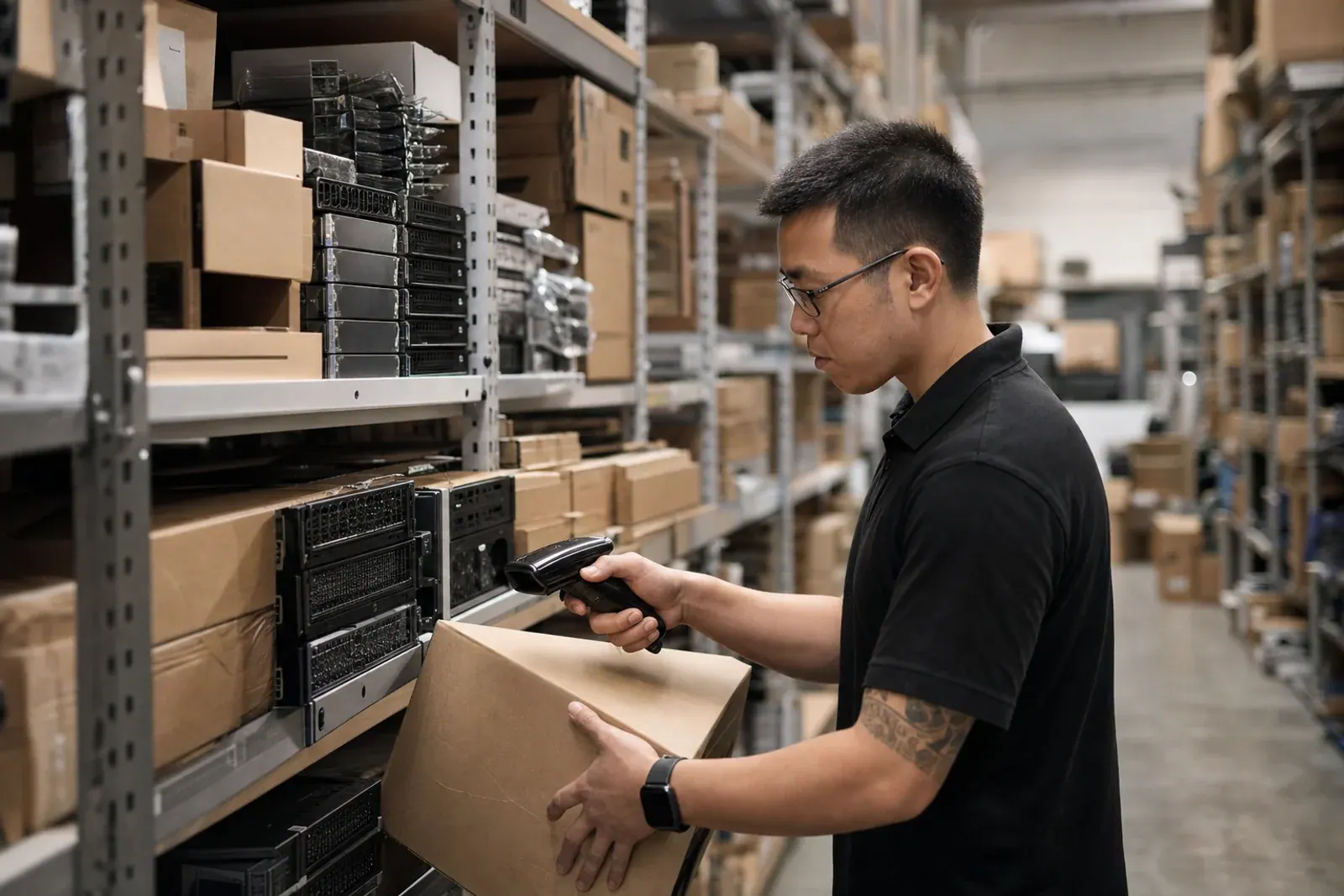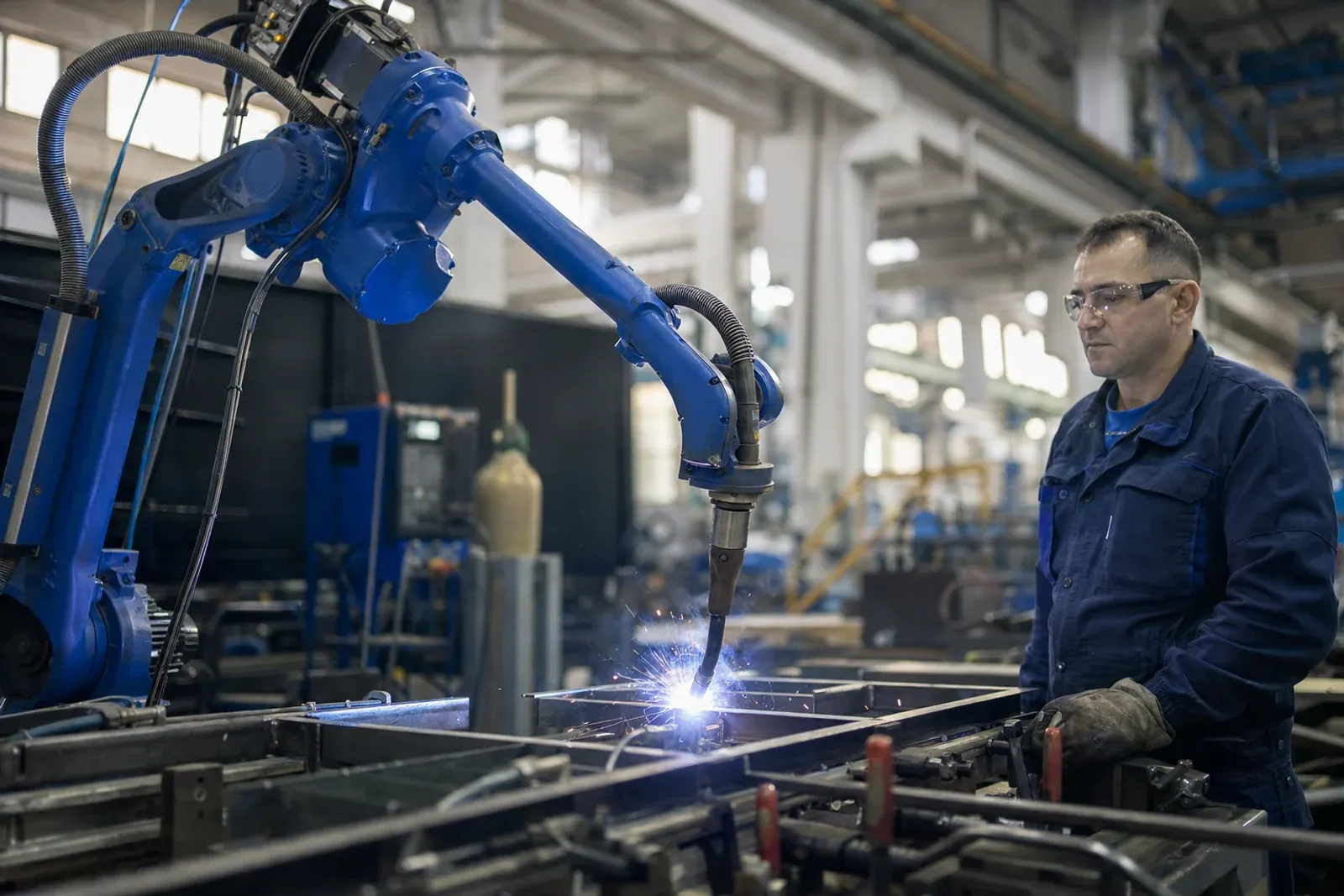


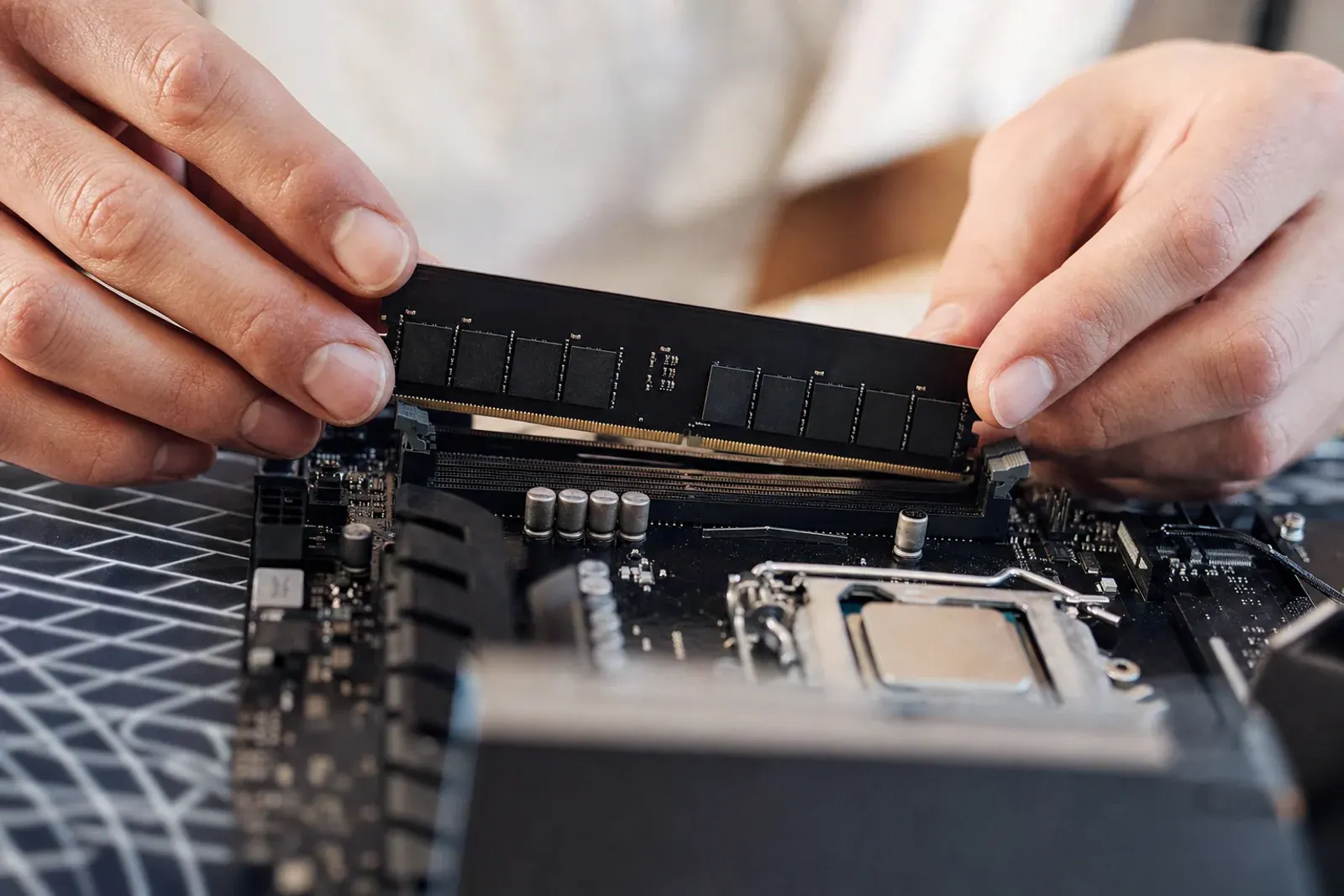
"RAMageddon" is how Digitalk describes the state of the hardware market. Growth in the segment slowed to below 2% in 2025, down from 17% a year earlier. The cause is a paradox: artificial intelligence is driving up demand for hardware while also creating a shortage of key components.
What's happening
AI features first appeared in premium consumer and business devices, and the expectation was that they would gradually filter down to cheaper models. That is indeed happening, but demand for hardware for AI data centres is soaking up semiconductor manufacturing capacity. The most acute shortage is in computer memory.
Alexander Glavchev's analysis also links this to tech distribution: a year ago distributors were talking about price wars and oversupply; now the main problem is a shortage of chips.
What it means for businesses
Hardware budgets
If you're planning to refresh laptops, servers or network equipment, it's better to place orders early rather than at the last minute. Delivery times and prices are becoming less predictable.
Cloud instead of your own hardware
For some workloads, cloud services are the more flexible option. Bear in mind, though, that cloud providers buy the same hardware, so the effect may reach them too.
Software that doesn't need a new machine
This is where web development plays a direct role. A heavy website with lots of scripts and unoptimised images also strains your visitors' devices. A lightweight, fast website runs well on older phones and computers too, which is a real advantage when people replace their devices less often.
How we approach it
On every project we keep an eye on how much JavaScript and CSS a page loads, convert images to WebP or AVIF, and avoid effects that tax the processor for no good reason. There's more on this on our website development page.
Related: how AI is indirectly reshaping tech distribution.
Source: Digitalk: RAMageddon shrinks hardware market revenue (in Bulgarian). This article is an independent analysis by Penkov Studio.