

A year ago, the conversation in technology distribution was about price wars and oversupply. In the new edition of Digitalk 101, Alexander Glavchev describes the opposite picture: the main problem now is a shortage of chips, tied to AI projects around the world. The headline puts it well: AI is indirectly setting the rules.
How the mechanism works
- Large AI workloads require huge amounts of memory and graphics cards.
- Manufacturers direct their capacity toward those products.
- Less is left for the rest of the market, especially when it comes to memory.
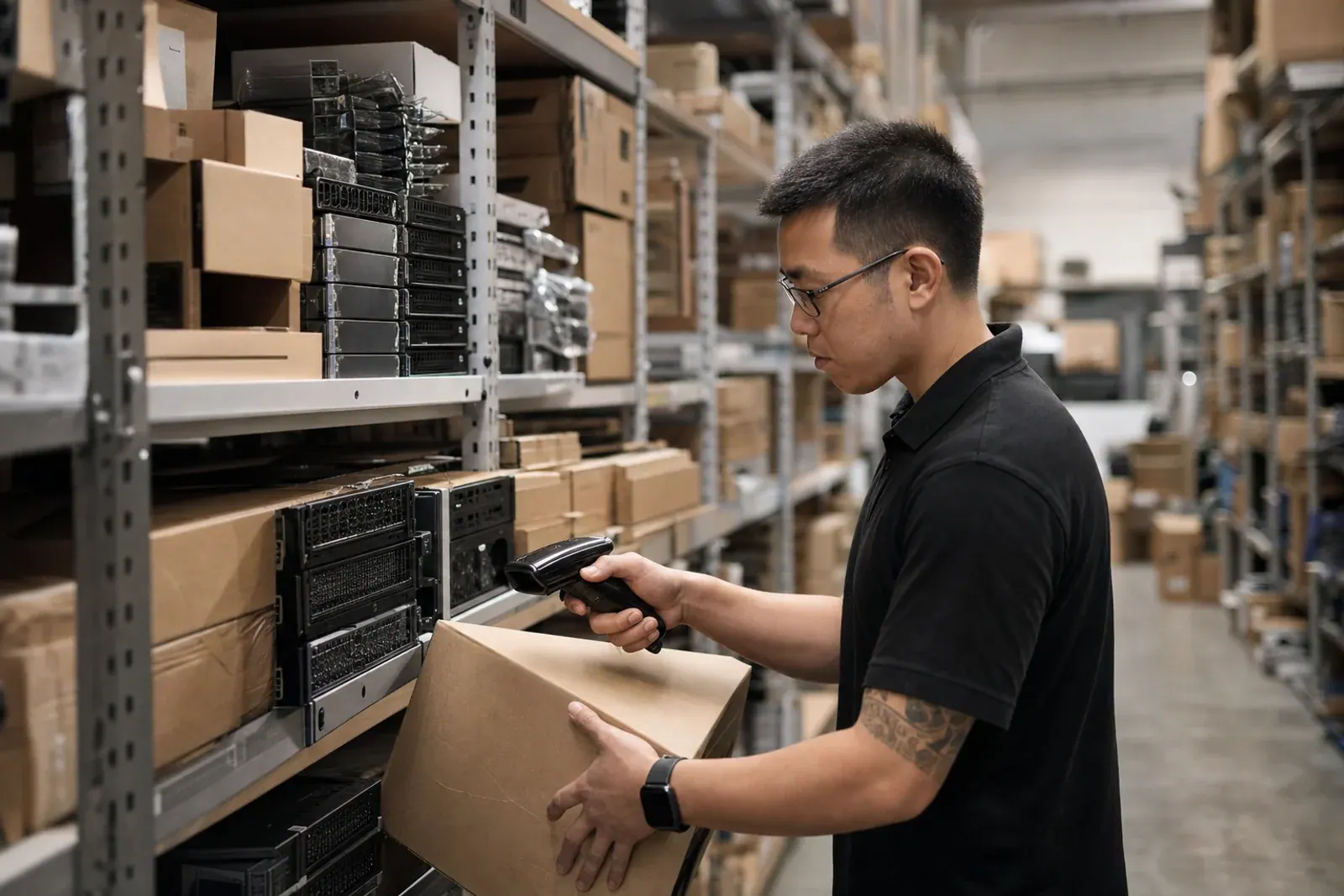
- Distributors in Bulgaria feel this as harder deliveries and more complex logistics.
According to the article's subheading, the sector is reporting double-digit growth but also logistics challenges, while companies are still hesitant to introduce AI into their own processes.
What companies buying hardware can do
- Plan earlier. Refresh equipment on a clear schedule, not when something breaks.
- Talk to your distributor about availability. Alternative configurations often solve the problem.
- Extend the life of your devices. Maintenance, plus memory and SSD upgrades where possible.
- Consider the cloud. For some workloads it is more flexible, although cloud providers buy the same hardware.
The link to web development
When hardware is replaced less often, lightweight software becomes an advantage. A website that loads a minimum of scripts and optimized images works well on older phones too. That is not just a matter of convenience; it affects conversions. See how we approach speed and Core Web Vitals.
Related: RAMageddon and the slowdown in the hardware market.
Topic source: Digitalk: AI is indirectly setting the rules of Bulgarian tech distribution (in Bulgarian). This article is an independent analysis by Penkov Studio.